Profitable Flour Mill Business Planning Guide
Flour mill business plan provides the blueprint for a profitable industrial milling business investment. It defines objectives, market scope, and operational structure aligned with the broader flour mill in Pakistan industry. A professional business plan ensures flour production stability and return on investment—crucial in a market processing over 25 million tons of wheat annually.
A well-structured flour mill business plan outline should include:
Defining the company’s mission and competitive position enables investors to align financial targets with production realities. (You May Interested in: A Flour Processing Business Plan Template PDF>> )
Strategic flour mill business objectives focus on productivity, energy efficiency, and profitability. For instance, mills using modern pneumatic conveying systems reduce energy use by 15–20% compared to traditional elevators. Setting measurable KPIs—such as output yield (%) or downtime hours per month—helps sustain competitiveness.
When drafting your flour mill business objectives, balance cost efficiency with product quality assurance. Consider automation upgrades and predictive maintenance schedules to cut operational losses by up to 10% annually.
Effective flour milling market positioning differentiates a business through product quality, packaging innovation, or service reliability. In Pakistan, branded packaged flour represents 35% of urban market share, a trend that small and medium mills can leverage.
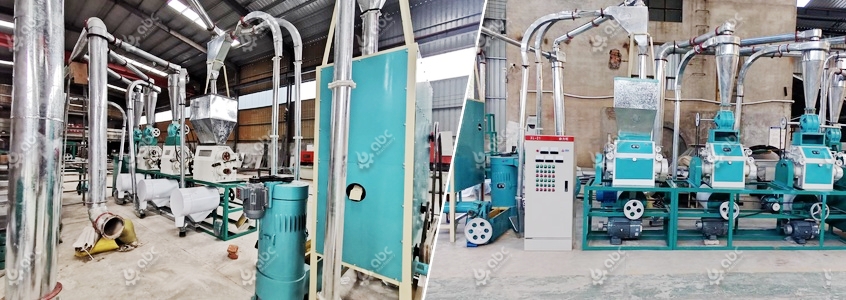
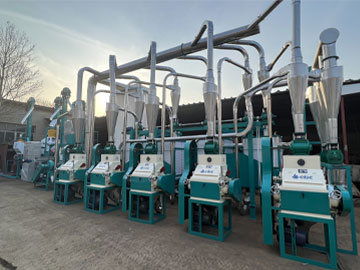
A 15TPD Wheat Flour Grinding Line Shipped to Pakistan (Investment Reference Cost: USD15000)

The flour milling industry analysis in Pakistan shows strong domestic demand growth of around 4.2% per year, driven by population expansion and rising urban consumption. Identifying competitors—both local and multinational—helps mills target profitable niches.
Most Pakistani flour mills focus on white flour; diversification into fortified or specialty flours can capture high-value segments.
Core actions include:
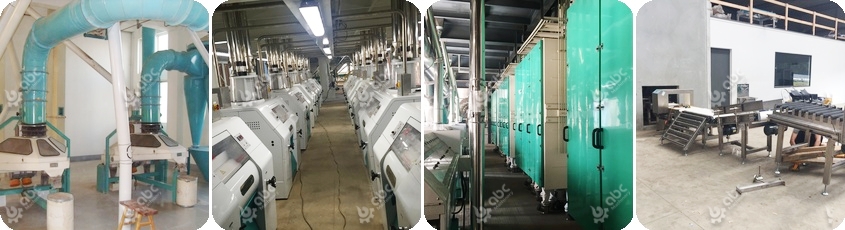
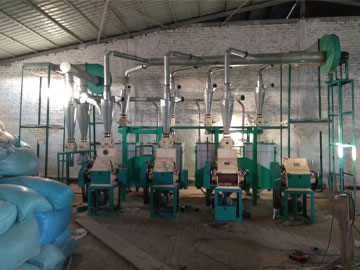
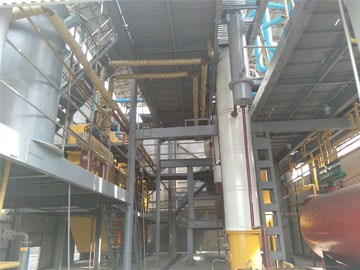
Key Processing Stage Equipment in Industrial Flour Mill Plant
The heart of any flour mill business plan Pakistan lies in its flour production process design and operational management. Efficient manufacturing reduces costs, ensures product consistency, and strengthens the plant’s ROI potential.
Modern flour production process typically includes stages such as cleaning, conditioning, grinding, sifting, and packaging. Advanced roller mills process up to 250 tons/day, with power consumption averaging 65–80 kWh per ton.
| Process Stage | Description | Key Performance Metric |
|---|---|---|
| Wheat Cleaning | Removal of dust and impurities | 99.5% purity rate |
| Grinding | Reduction of wheat kernels | 70–75% flour extraction |
| Sifting & Packaging | Grading by particle size | <2% deviation in moisture |
The use of automated PLC systems (Programmable Logic Controllers) improves consistency and minimizes manual errors. When integrated with MES (Manufacturing Execution System), it enables real-time production tracking, ensuring precise batch control and traceability.
A robust wheat sourcing strategy Pakistan ensures stable raw material flow. Wheat procurement typically occurs during peak harvest seasons (April–June), when prices are 8–12% lower. Storing up to 6 months of raw material maintains supply security. (Related Link: How Do Wheat Prices in Pakistan Affect the Flour Milling Industry? )
Implementing strong flour mill operations management increases overall equipment efficiency (OEE) by 10–15%. Common tools include statistical process control (SPC) and ISO 22000-compliant quality systems. Continuous operator training and preventive maintenance reduce unplanned downtime by 20–25% annually.
Boost your plant’s performance and output quality—connect with our engineering experts to get your customized production layout today.
A comprehensive flour mill financial plan Pakistan helps evaluate investment viability. On average, a mid-sized flour mill (150 TPD capacity) requires a startup investment of USD 1.2–1.8 million. (You May Interested in This Post: Costs and Profits of Flour Mills in Pakistan>>)
Key factors in the cost structure of flour mills include:
Annual maintenance costs generally remain around 2% of machinery value, while labor accounts for 8–10% of total operating expenses.
Profit maximization relies on efficient throughput and market reach. Common profit optimization strategies include:
Request a detailed project feasibility and cash flow forecast today—our specialists can help design a profitable financial roadmap tailored to your investment goals.
In Pakistan’s competitive grain processing sector, developing a structured flour mill business plan Pakistan rooted in solid engineering, process efficiency, and financial analysis ensures long-term sustainability. From initial design to market positioning, each phase supports the success of setting up a flour mill in Pakistan.

ABC Machinery provided a complete 100 TPD soy protein isolate production line for a soy protein isolate plant in Uzbekistan. The line processes Non-GMO soybean through five production sections pretreatment and dehulling, low-temperature ext...
Recently, the mayor of a city in Zimbabwe visited a local maize processing plant project. The plant is the latest cooperation project between ABC Machinery and our Zimbabwean client. All the highly efficient maize mill machines for the maiz...
Zambia 2024 is coming up with AGRITECH EXPO ZAMBIA exhibition at GART Research Centre, Chisamba (April 18th to April 20th) . ABC Machinery will be participating in this years Exhibition. We cordially invite you to visit our booth (A19) and...